
CybertronIT Blog
Cybertron Blog
Cybertron has been serving the Wichita area since 1997, providing IT Support such as technical helpdesk support, computer support, and consulting to small and medium-sized businesses.
3 Ways to Cut Office Printing for Good

In nearly every office, the printer hums along in the background, so familiar that nobody questions it. Worth questioning, though. The average office worker goes through roughly 10,000 sheets of paper a year, a figure cited by the EPA and repeated across plenty of studies. That is real money, real clutter, and a real environmental cost. And much of it is waste: research has found nearly half of printed documents are tossed within a day. Cutting it down is not just about saving trees, it is about working smarter. Here are three ways to do it.
Move the Work Off Paper
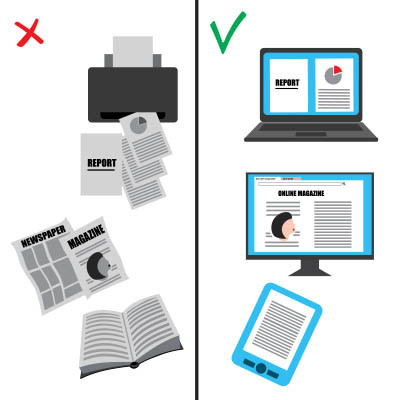
Most of what gets printed never needed to be. Reviewing a document, sharing a draft, signing a form, collaborating on a file, all of it can happen on screen now, often better than on paper. Shared documents let several people work on the same file at once instead of printing copies for everyone. Digital signatures handle contracts without a single sheet. The less your workflow depends on paper, the faster and cheaper it gets, and the easier it is to find things later.
Build Better Printing Habits
Some printing is unavoidable, so make what remains intentional. Before anyone hits print, the question is simple: do I actually need this on paper? A lot of printing is reflex, not need. Encourage people to read on screen, print double-sided, and skip the cover pages and full-color graphics nobody asked for. Small habit changes across a whole team add up to a noticeably smaller stack and a smaller bill.
Make the Smart Choice the Default
The most reliable way to change behavior is to not rely on behavior. Set printers to double-sided and black-and-white by default, so the wasteful option takes extra effort instead of the other way around. Set up scanning that drops documents straight into your shared system so paper does not pile up in the first place. When the efficient choice is the automatic one, savings happen without anyone having to think about it.
Less Paper, Smoother Work
Cutting printing is one of those rare wins that saves money, reduces clutter, helps the environment, and makes your team faster all at once. It just takes the right setup and a few habits. The payoff shows up every month on the supply budget and every day in how easily people find what they need.
Helping businesses build smarter, faster workflows out of the tools they already have is a lot of what we do. If your office runs on more paper than it should and you want to fix that without disrupting how people work, we can help.

© 2026 CybertronIT. All rights reserved.Privacy Policy · Sitemap
Comments