
CybertronIT Blog
Cybertron Blog
Cybertron has been serving the Wichita area since 1997, providing IT Support such as technical helpdesk support, computer support, and consulting to small and medium-sized businesses.

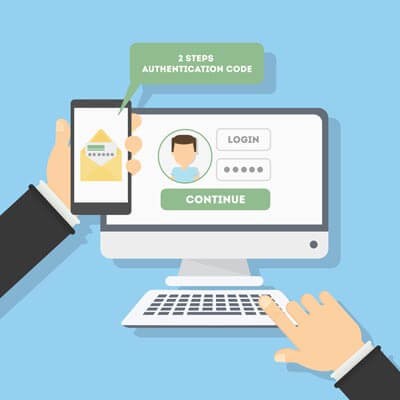
The password is not the protection it once was. Attackers now use software that guesses thousands of passwords a second, brute-forcing their way into accounts faster than ever, and they buy stolen passwords by the millions from old breaches. Relying on a password alone to guard your business is a losing bet. The fix is two-part: better passwords, and a second factor behind them. Here is how to do both.
Start With Better Passwords
Passwords still matter, so get them right. A strong one is long and complex, a mix of letters, numbers, and symbols, and not a word or date anyone could guess. Just as important, every account needs its own unique password. Reusing one across sites means a single breach hands attackers the keys to everything. Nobody can remember dozens of strong, unique passwords, which is exactly what a password manager is for. It generates and stores them so you only have to remember one.
Then Add a Second Factor
Here is the part that changes the game. Two-factor authentication, also called multifactor authentication, requires a second piece of proof beyond your password, usually a code from your phone or an app. The beauty of it is simple: even if an attacker steals or guesses your password, they still cannot get in without that second factor sitting in your pocket. It turns a stolen password from a disaster into a non-event, and it blocks the overwhelming majority of account-based attacks.
Turn It On Everywhere
The good news is that two-factor authentication is widely available and usually free. Most email, banking, and business apps support it, you just have to switch it on. The few extra seconds it adds to a login are nothing compared to the cleanup after a compromised account. Turn it on everywhere it is offered, starting with email and anything that touches money or sensitive data.
The Easiest Big Win in Security
Of all the things you can do to protect your business, combining strong, unique passwords with two-factor authentication is one of the cheapest and most effective. It closes off the single most common way attackers get in. If you have not turned it on across your accounts yet, that is the move to make this week.
We help businesses roll out strong authentication everywhere it counts, the right way, as part of managed cybersecurity, so it actually gets used instead of skipped. If you want to lock down your accounts before someone tests them, book a call.
0 Comments

© 2026 CybertronIT. All rights reserved.Privacy Policy · Sitemap