
CybertronIT Blog
Cybertron Blog
Cybertron has been serving the Wichita area since 1997, providing IT Support such as technical helpdesk support, computer support, and consulting to small and medium-sized businesses.


Few things are as universally annoying as a flood of spam. Fake pharmacy deals, urgent pleas from foreign royalty, prizes you never entered to win. Your inbox starts to look like a digital landfill. What most people miss is that behind the nuisance sits a large, organized, and shockingly profitable industry. The junk in your folder is the visible edge of a criminal business.
Spam Is Not New
Unsolicited email is almost as old as the network it travels on. The first mass commercial message went out in 1978 over ARPANET, the precursor to the internet, to a few hundred recipients. People hated it then too. The difference now is scale. Sending email costs almost nothing, so a campaign can blast millions of addresses for the price of a coffee. Even a microscopic success rate turns a profit.
The math is the whole point. In a well-known 2008 study called Spamalytics, researchers at the University of California and the International Computer Science Institute infiltrated a live botnet and tracked nearly half a billion spam messages. They found a conversion rate well under 0.00001 percent, roughly one sale per 12.5 million emails sent. That sounds like failure. At spam volumes, it funds the operation and then some.
The Dark Side of Spam
If spam were only bad advertising, you could delete it and move on. The problem is what rides along with it. Modern spam is a delivery vehicle for several kinds of attack, and they all aim at your business.
Malware Delivery
Many spam messages exist to plant software on your machine. One opened attachment or one clicked link, and you can pick up ransomware, a keylogger, or a remote-access tool that hands an attacker the keys. A single infected workstation can become the foothold for an attack on your whole network.
Phishing
Phishing email impersonates a bank, a vendor, or your own IT department to trick someone into handing over a password or wiring money. The good ones are convincing. They copy real logos and real sender names, and they lean on urgency so the target acts before thinking. One set of stolen credentials can open the door to everything else.
Botnet Recruitment
Some spam is recruiting. The payload quietly enlists your computer into a botnet, a network of hijacked machines the attacker controls. Your hardware then gets used to send more spam, mine cryptocurrency, or hammer a target with a denial-of-service attack, all without you noticing. You become part of the problem and pay for the electricity.
Data Harvesting
Other campaigns are built to collect. They confirm which addresses are live, scrape personal details, and bundle that data for sale to the next operator. Every reply, every click on an unsubscribe link in a shady message, tells them you are real and worth targeting again.
Blackhat SEO and Scams
Spam also props up fraud further down the chain. It drives traffic to fake stores, counterfeit goods, and sites stuffed with malicious links that game search rankings. The whole machine runs on volume and on the small percentage of people who click.
What Actually Protects You
You cannot stop spam from being sent. You can control what reaches your people and what happens when something slips through. That means real email filtering, not just the default. It means training so your team can spot a phishing attempt and knows to slow down on anything urgent. And it means layered defenses on the endpoints, so one bad click does not turn into a network-wide incident.
We run this kind of cybersecurity for businesses that cannot afford a quiet breach. Filtering, monitoring, and the human training that backs it up, working together instead of one tool hoping to catch everything.
If your spam problem feels like more than a nuisance lately, it probably is. Book a call and we will take a look at what is getting through and what to do about it.
0 Comments
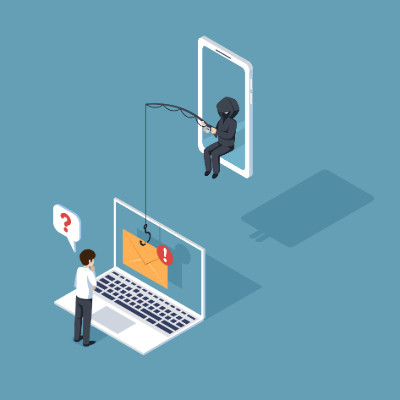
Why do smart, careful people still fall for scams? It is not about intelligence. It is about psychology. Attackers are experts at pulling the mental triggers we all have, and most security training tells you what a scam looks like without explaining why it works. Understanding the why is what makes you genuinely hard to fool. Here are the mind games to watch for.
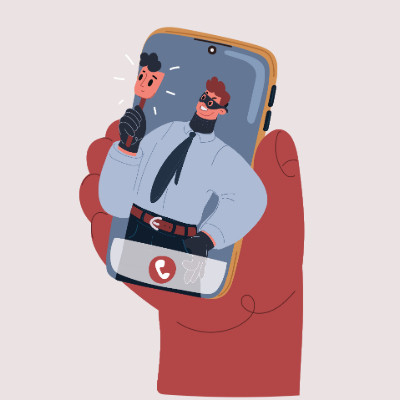
Every business needs IT help now and then, from a small glitch to a full emergency. Scammers know it, and they pose as tech support to prey on exactly that moment. A fake support agent calls or emails claiming something is wrong, then talks a panicked employee into giving up access or money. These tips help your team spot the scam, whether you have IT staff or not.

How well your business runs is tied to how well your technology runs. When systems fail, you lose productivity and money, and you chip away at the reliability your customers count on. The most expensive way to manage IT is to wait for something to break and then scramble to fix it. There is a better model. Here is why getting ahead of problems beats reacting to them.
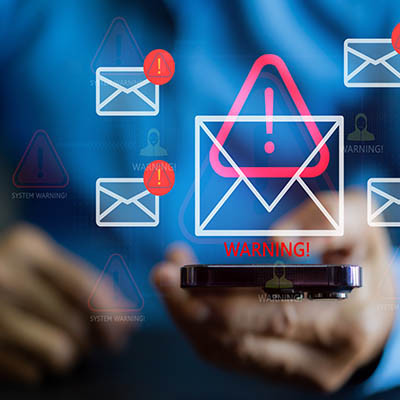
Attachments are part of daily work, and they are also one of the easiest ways for malware to get onto your computer and your network. The danger is the reflex, that quick click before you have really looked. One careless tap can turn into a serious problem for you and the whole company. Here is a short checklist for deciding whether an attachment is safe and how to open it without taking a risk.
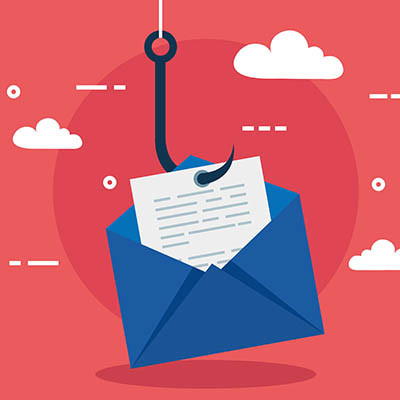
From the old Nigerian prince scam to a polished fake invoice, phishing email is a constant threat to every business. The cost is not just a little money. One successful phishing attack can shut down operations, expose sensitive data, and in the worst cases take a company down. The good news is that most phishing has tells. Here is how to spot them.

The scariest breaches are the quiet ones. An attacker phishes one employee's username and password, logs in, and walks straight into your network with no alarms going off, because as far as the system can tell, it is that employee. The single highest-impact fix for this is multi-factor authentication. Turning it on does more to lower your risk, for less money and effort, than almost anything else you can do. Here is how to roll it out, from good to best.

The biggest weakness in most networks is not the firewall. It is the people, and attackers know it. They count on your team being busy, stressed, and trying to be helpful, so they manufacture moments where someone clicks first and thinks later. The fix is almost embarrassingly simple. Give people permission to slow down. Call it the three-second rule, a short pause before acting on any message that wants something from you. Here is why that tiny habit punches so far above its weight.

© 2026 CybertronIT. All rights reserved.Privacy Policy · Sitemap