
CybertronIT Blog
Cybertron Blog
Cybertron has been serving the Wichita area since 1997, providing IT Support such as technical helpdesk support, computer support, and consulting to small and medium-sized businesses.

The gap between businesses running on current technology and those clinging to old systems that once served them well can be stark. And it is not only about avoiding the slow decline of outdated tools. It is about what you actively gain when your technology is current. Staying up to date is less about keeping up and more about unlocking what your business can do. Here is the real upside.
More Gets Done, Together
Modern tools clear the friction out of the workday. They take over repetitive tasks, speed up the work that used to drag, and let your team collaborate easily whether everyone is in the office or spread across locations. Shared cloud platforms and good project software mean fewer bottlenecks and less time lost to clunky processes. The result is simple: your people spend more of their day on work that matters and less on fighting the tools.
Stronger Security
Current technology is safer technology. Modern systems get security updates, support today's protections, and stand up to threats that did not exist when older tools were built. Staying current is one of the most effective things you can do to keep attackers out, because the alternative, running software past its support date, leaves known holes wide open. Up to date is not just faster. It is far harder to break into.
Better Service for Your Customers
Your technology shapes what your customers experience, even when they never see it. Faster systems mean quicker responses, fewer errors, and smoother transactions. The right tools help you understand what customers need and deliver it without the delays and hiccups that send people to a competitor. In a lot of markets, the quality of that experience is the whole ballgame.
Room to Grow and Adapt
Current technology gives you agility. When an opportunity appears or the market shifts, a modern, flexible setup lets you move on it. An aging one holds you in place, forcing you to say no to things you could otherwise do. Keeping your tech current keeps your options open, which is worth a great deal when conditions change faster every year.
Progress on Purpose
None of this means chasing every new release or replacing things that still work well. It means keeping the capabilities your business runs on current, deliberately, so you capture the upside without wasting money on hype. Done right, modern technology is not a cost. It is one of the better investments you can make in the business.
Helping organizations use technology to seize opportunities, not just solve problems, is exactly what we do. We keep your systems current, secure, and matched to where you are going. If you want your technology working for your growth instead of against it, we can help.
0 Comments
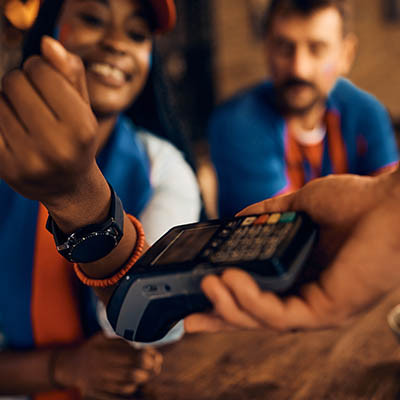
Almost everything ships with a connection now. Speakers, cameras, thermostats, doorbells, even refrigerators and kids toys. Manufacturers added apps and dashboards because customers asked for them. The trouble is what comes with the convenience. A lot of these devices collect more than they need, guard it poorly, and quietly become a way into the network they sit on. Here is how the gadgets you rely on can work against your privacy, and what to do about it.
The Data Collectors You Stopped Noticing
The features that make a device smart are the same features that make it nosy. A microphone that takes voice commands is a microphone in the room. A camera that lets you check in from your phone is a camera someone else might check in on too. Many devices log far more than they need to function, location, usage patterns, audio snippets, and ship it back to servers you never see.
Read the fine print and you often find the company reserves the right to share or sell that data. The product is cheap because you are part of what is being sold. At home that is uncomfortable. In a business, where the same devices creep into break rooms, lobbies, and offices, it is a real exposure.
The Weak Link on Your Network
Here is the part most people miss. Every connected device is a small computer, and most consumer gadgets are built for price, not security. They ship with default passwords, rarely get patched, and run software the maker forgets about a year later. Attackers know this. A cheap camera or smart plug is often the easiest way onto a network, and once they are on, your laptops, servers, and files are on the same network.
This is the danger of treating a smart device as an appliance instead of an endpoint. It does not feel like a computer, so nobody manages it. It sits there with a known flaw, waiting. One unpatched gadget can undo the careful work you put into protecting everything else.
Taking Control of Your Connected Workplace
You do not have to rip every smart device out. You have to treat them like what they are. Start by knowing what is actually on your network, because you cannot protect what you have not counted. Change default passwords, turn off features and data sharing you do not use, and keep firmware current on anything that matters.
The bigger move is separation. Consumer IoT belongs on its own network segment, walled off from the machines that hold your real data. If a smart thermostat gets compromised, the damage stops at the thermostat. This is standard practice in a well-run network, and it is exactly the kind of thing that gets skipped when nobody owns the problem.
We handle this as part of managed cybersecurity, mapping what is connected, locking it down, and segmenting the network so a weak device cannot reach a strong one. If you are not sure what is talking to the internet from inside your walls, that is worth finding out. Book a call and we will help you take a look.

© 2026 CybertronIT. All rights reserved.Privacy Policy · Sitemap