
CybertronIT Blog
Cybertron Blog
Cybertron has been serving the Wichita area since 1997, providing IT Support such as technical helpdesk support, computer support, and consulting to small and medium-sized businesses.
Cybercrime Is Now a Trillion-Dollar Industry

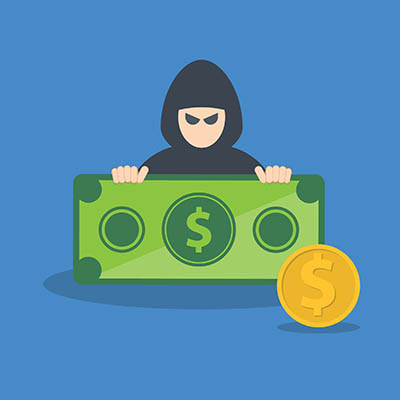
Forget the old picture of a hacker, a lone kid in a hoodie breaking in for the thrill. That image is dead. Cybercrime is a sophisticated global industry now, and by one widely cited estimate from Cybersecurity Ventures it costs the world around 10.5 trillion dollars a year as of 2025. Understanding how that industry actually works is the first step to defending against it.
From thrill-seeking to a business model
The shift that changed everything was specialization. Today's criminals operate like tech startups, with roles, tools, and revenue models. The clearest example is ransomware-as-a-service, which copies the software-as-a-service playbook. One group builds and maintains the malware. Others, called affiliates, pay a fee or a cut of the ransom, often 30 to 40 percent, to use it. Separate specialists called initial access brokers break into networks and sell that access to whoever wants it. Each player focuses on one job, which makes the whole operation more effective and lowers the barrier for newcomers.
Where the money comes from
This industry has several profit centers. Ransomware and extortion lock up your data and demand payment, increasingly with a threat to leak it too. Data theft feeds a brokering market where stolen records are bought and sold. Stolen intellectual property gets sold to competitors or rivals abroad. And straightforward financial fraud drains accounts directly. Your business is not a random target in any of this. It is a potential source of revenue, and that is exactly how attackers see it.
What it costs you
The damage is more than a ransom payment. There is downtime while systems are offline, the cost of recovery and investigation, and the regulatory fines that can follow a breach of protected data. The harder cost is trust. Customers who learn their information was exposed do not always come back, and a reputation takes far longer to rebuild than a server. Spending on defense keeps climbing because the cost of not defending climbs faster.
What this means for you
You are up against an organized industry, not a bored teenager, so a casual approach does not hold. That means layered defenses, current backups you have actually tested, multi-factor authentication, trained people, and someone watching for trouble around the clock. None of it is exotic. It is the cost of operating in a world where crime against businesses is a profitable, professional trade.
We treat security this way for our own operation and our clients', because the other side treats it like a business. Matching that seriousness is the only thing that works.
Book a call if you want your defenses to match the threat your business actually faces.

© 2026 CybertronIT. All rights reserved.Privacy Policy · Sitemap
Comments